Black in Rio: Even When It’s Not the Headline
I came to Rio de Janeiro the first time about ten years ago— young, clueless, and stumbling into good times. I drank caipirinhas in Copacabana and sunbathed on Ipanema Beach, and followed instincts instead of itineraries. Had the night of my life in a favela.
No photos. No itinerary. It was careless, a little reckless, and definetly unforgettable.
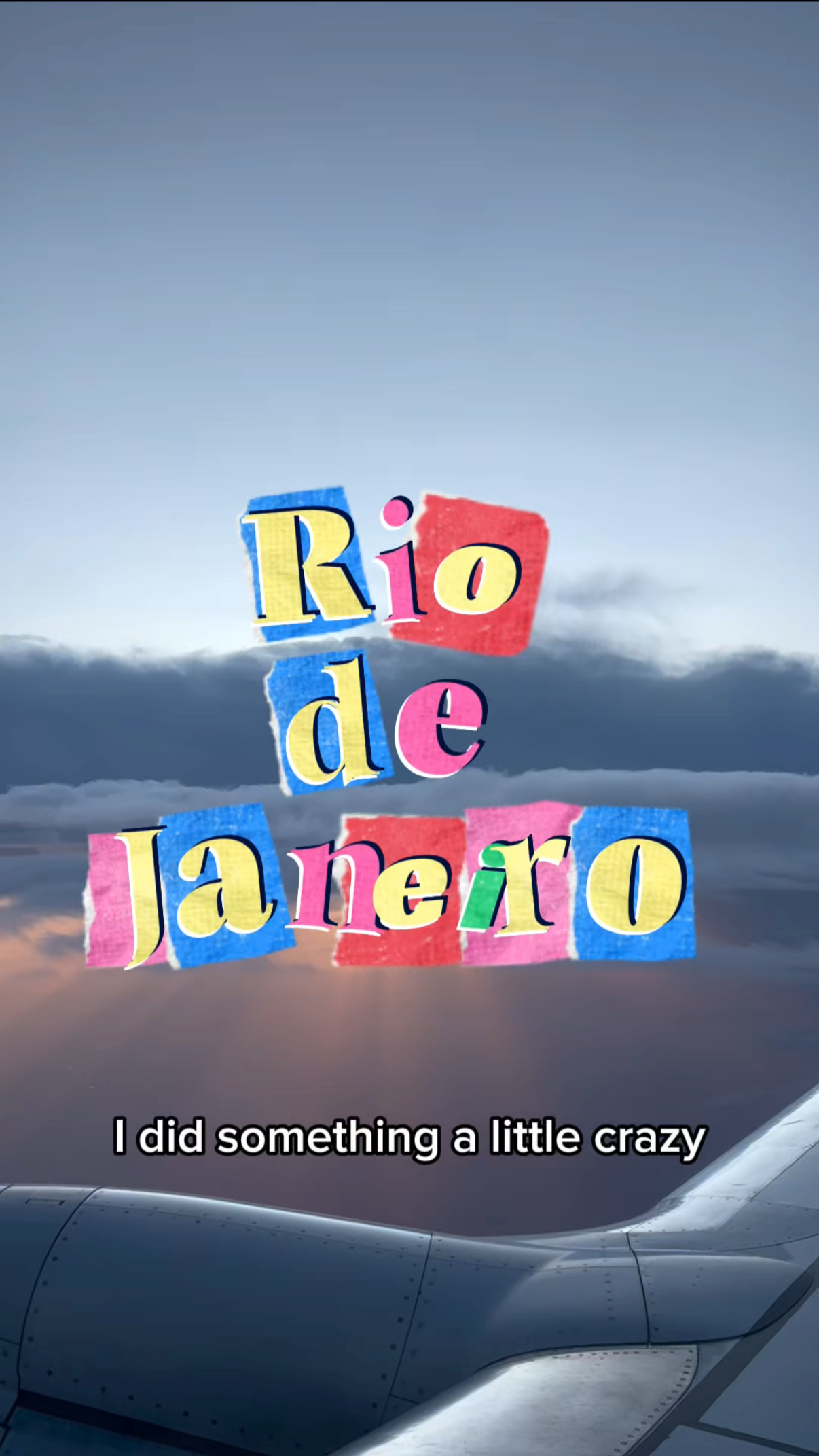
So when Visit Rio invited me back this year, I wondered if Rio de Janeiro could still hit the same now that I wasn’t wandering blindly. This time, I came with context, access, and experience. And what surprised me wasn’t that the city still held the carefree magic I remembered. It was that Rio de Janeiro brought the history, the culture, and the Blackness forward in ways I wasn’t prepared for — right alongside the joy that first made me fall in love with it.
Could Rio still move me when I wasn’t just chasing vibes?
I was invited during Brazil’s Black Consciousness Month, something I didn’t even realize other countries formally recognized. November honors Zumbi dos Palmares, a legendary leader of escaped enslaved Africans who resisted Portuguese rule and built one of the largest free Black communities in Brazilian history. Today, he symbolizes resistance, survival, and the ongoing fight against systemic inequality in a country with one of the largest Black populations in the world outside of Africa.
That context alone shifted how I moved through the city.
Samba City: The Blueprint Behind the Greatest Show on Earth
If Carnival is the greatest party alive, Samba City is where the magic is engineered.
We walked through doors few outsiders ever get to enter — inside a samba school working year-round to build what the world sees for just a few nights. Welders shaping floats, artists sewing thousands of costumes, drummers practicing rhythms passed down through generations. I learned quickly that Carnival isn’t just a party. It’s a massive, highly regulated competition.
Each samba school performs with:
roughly 4,000 people
5–7 floats
exactly 1 hour and 20 minutes to tell a story that must land musically, visually, and emotionally — without error
And then came the history that stopped me in my tracks.
Samba — and Carnival itself — were born from Black creativity. Tia Ciata, a free Afro-Brazilian woman from Bahia, preserved African traditions through music, dance, and community gatherings in her home, now part of Rio’s Little Africa. Her spaces became sanctuaries of joy and resistance, laying the cultural foundation for the Carnival the world knows today.
You won’t always hear that part in glossy travel guides. But once you do, Carnival stops being “a party” and becomes something much more.
The Carnaval Experience tour lets you step into this world in a way few visitors ever do. As a guest of the 2022 Carnival champion Grand Rio, the experience offers one of the rare opportunities to see the process up close, try on the costumes, dance samba, and understand the cultural weight behind the spectacle. Proceeds also help fund social & educational projects for children from Providência, one of Rio de Janeiro’s oldest favelas.
It’s a secret! But I’ll give you a peak…
Rio’s Icons, Seen From the Top
This time, I finally saw Christ the Redeemer!
We took the Corcovado Railway through Tijuca National Park, joining hundreds of thousands of visitors making the climb to one of the Seven Wonders of the World! Even with the railway I was grateful to find escalators led to the summit — small details that make the experience more accessible — before stepping into thick crowds all chasing the perfect photo.
The sun sat directly behind the statue when we arrived mid-afternoon. PRO TIP: Timing matters. Earlier visits offer better light positioning. Still, standing there felt spiritual. The scale, the view, the silence that briefly settles when everyone looks up at once made it worth it.
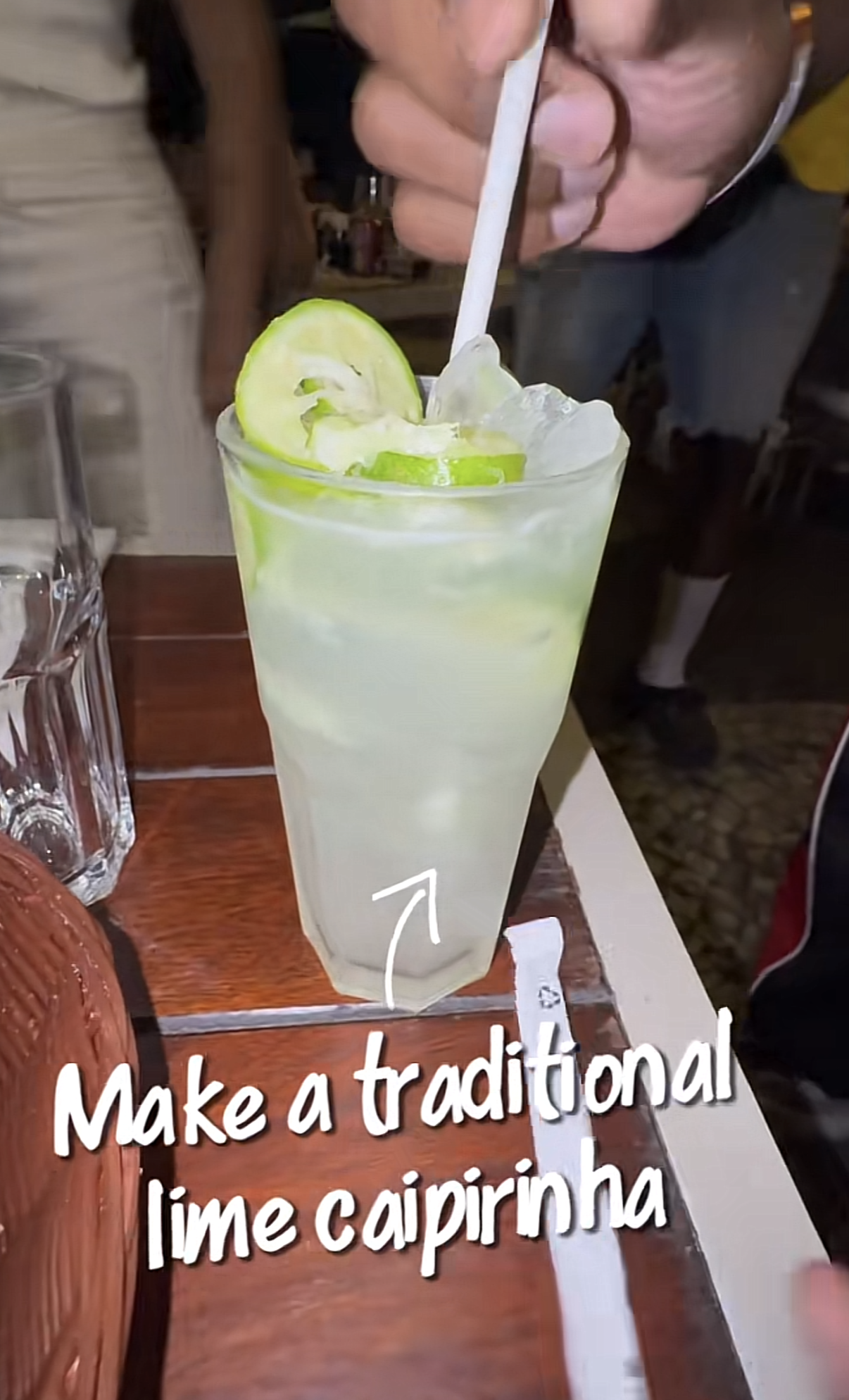
Sugarloaf Mountain at sunset is definitely the move— a whole party where you can grab a caipirinha and enjoy the DJ-set-meets-scenic-vibes at the top. We took not one but two cable cars to reach the top, gliding above Guanabara Bay as the city stretched out beneath us. Locals and visitors blend together to enjoy the party, shopping, and eats are on the first stop. PRO TIP: make sure you splurge for the fast pass. This isn’t just a tourist attraction. Locals come here too, especially for sunset.
When Culture Feels Like Home
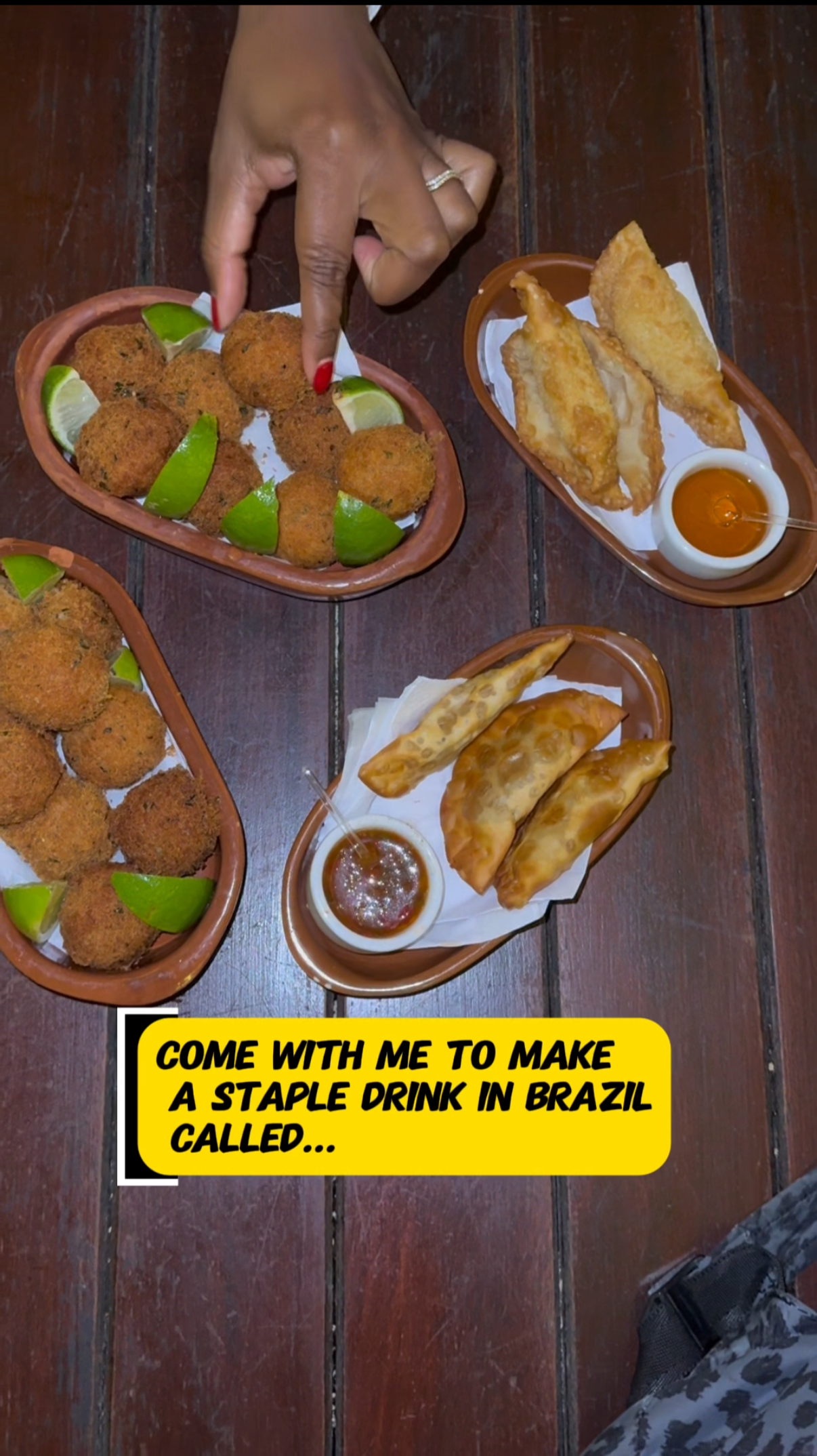
After a long day of exploration, we were welcomed at Yayá Comidaria. The Black-owned neighborhood restaurant serves Brazilian comfort dishes with intention. Chef Andressa Cabral’s portions are generous in the way that signals care — the kind of meal that feeds both the body and the moment. Located near the South Zone and close to Sugarloaf, it felt less like dining out and more like being welcomed in.
But the moment that truly felt like home came unexpectedly, under a bridge in the Pedra do Sal area, where we discovered Baile Charme.
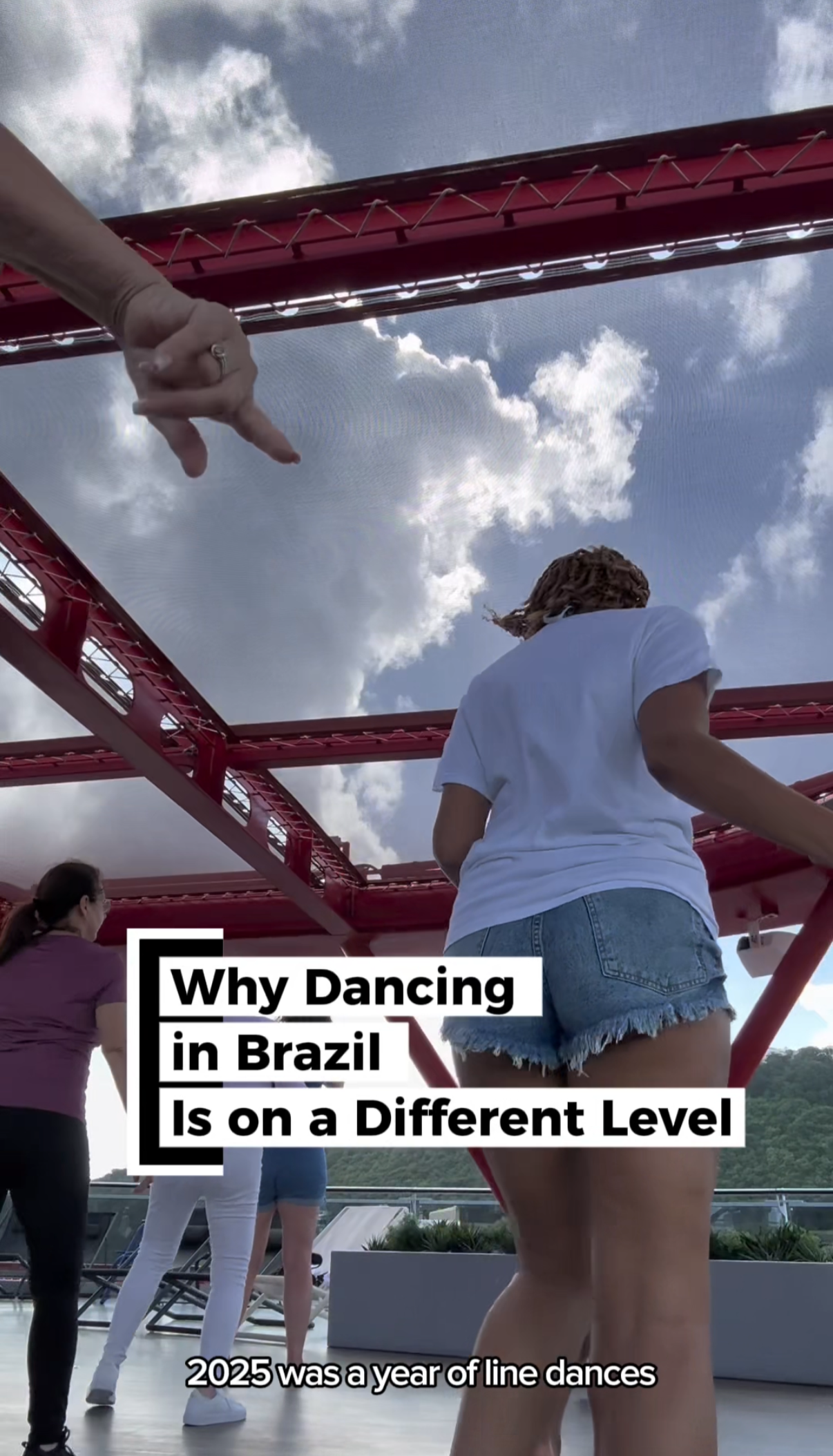
In a country where I expected samba, funk, and bossa nova, I found myself surrounded by people dancing flawlessly to late 90s and early 2000s 90s — Joe, Ryan Leslie, SWV, and Ginuwine. The choreography so sharp it looked rehearsed. It felt like stepping into a throwback house party, a BET music video, and a family cookout all at once.
It was like my dreams of being able to enjoy a 90’s house party were coming true and I was finding out I couldn’t hang! Here are some videos for reference that I cannot wait to practice.
Black History Everywhere, Even When It Isn’t Centered
Here’s the truth that deserves space:
Rio de Janeiro is built on Black history. You feel it in the music, the food, the neighborhoods, and the way the city moves. But that doesn’t always mean the present is centered the way it should be.
That’s why the Black Travel Summit 2025, hosted by Visit Rio, mattered. Black creators, journalists, hoteliers, and travelers from as far as U.S., London, Italy, Turkey, and beyond gathered to talk about representation, access, and storytelling. And Rio de Janeiro didn’t just host us. It acknowledged us and made room for our voices.
The Rio Effect
When people think of a Rio de Janeiro, they think postcard version: beaches, parties, and Carnival. And yes, the city delivers all of that. But what surprised me most, returning ten years later, was how layered it felt once I slowed down enough to listen.
Thanks to Visit Rio and Black Travel Summit, it’s a place I feel. In the music. In the movement. In the way Black history lives openly in some spaces and quietly in others. In the joy that feels effortless from the locals smiles and the stories they ask you to look closer.
If Rio de Janeiro has ever been on your list, let this be your sign to go. To move through the city with curiosity, respect, and a little bit of sparkle.
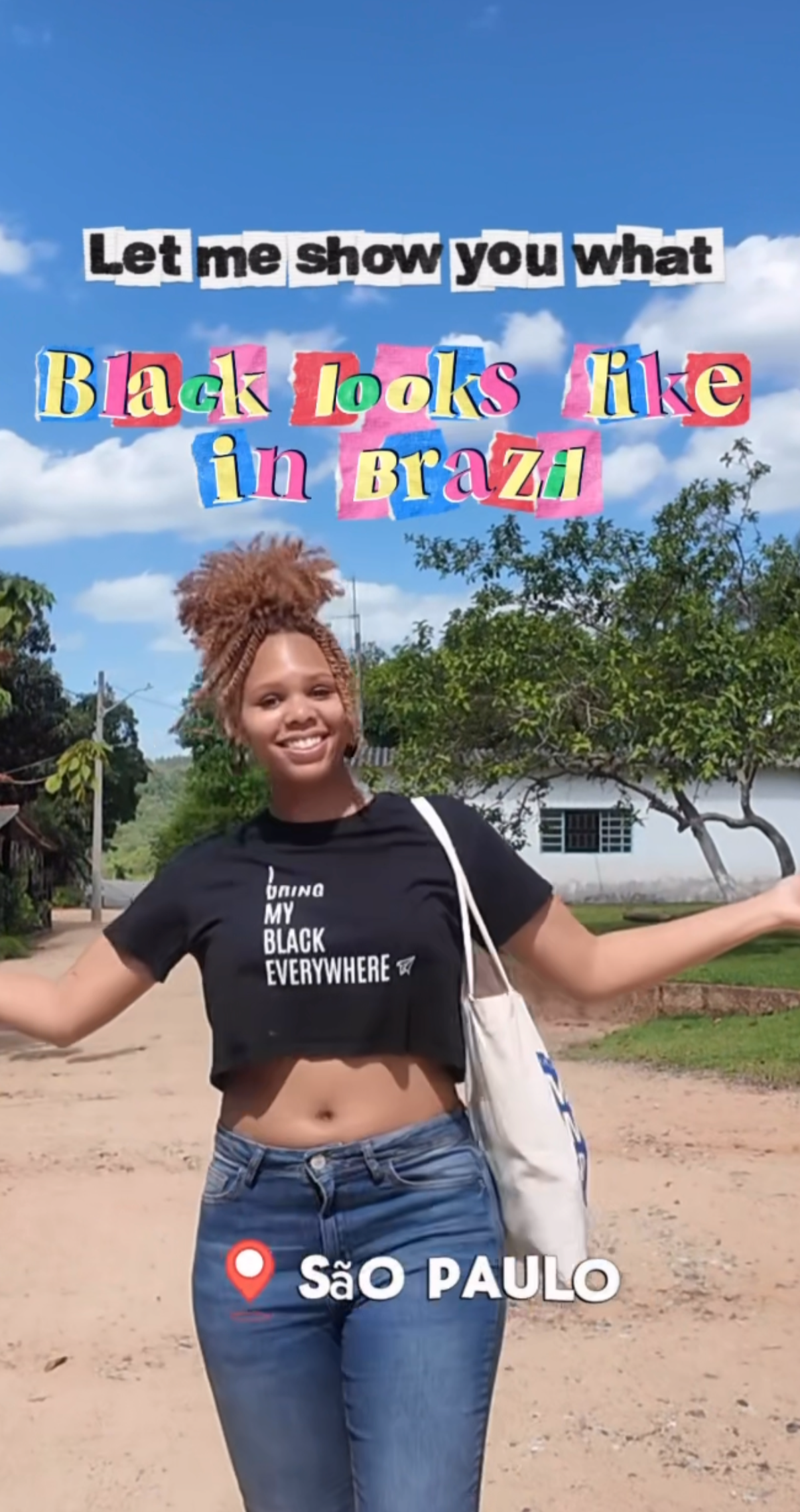
What I Bring My Black Everywhere Looks Like Here
Travel, for me, doesn't start and end with beautiful views (which there are plenty in Rio de Janeiro). It’s about representation and belonging. Rio de Janeiro showed me all of that!
Rio smiles first. It invites you in before you know the history beneath your feet — and once you do, every step feels meaningful without feeling heavy. Rio de Janeiro deserves to be experienced fully, safely, and with intention.
Rio de Janeiro is welcoming to Black travelers — warm, curious, proud — even as it continues to evolve in how it tells its full story. The beauty and the progress coexist here, and that honesty is part of what makes the city compelling.
If you’re wondering how to do Rio de Janeiro right I’ve got you. A full Rio de Janeiro travel guide is coming soon with deeper tips, routes, and cultural context to help you plan with confidence.
If you have any questions or want help crafting a trip that fits your pace and your interests, you can book a session with me as your Travel Advisor, fill out the Traveler’s Questionnaire, or schedule a face-to-face call to start planning.
If you want to see what Rio actually feels like, check out my videos and posts on other platforms linked below — and follow along for more real, lived-in travel stories:
My Rio de Janeiro Experience